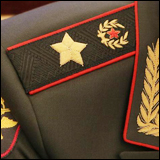
| RUSSIAN FEDERATION ARMED FORCES RANKS |
| ČINOVI ORUŽANIH SNAGA RUSKE FEDERACIJE |
|
|


|
Činovi i oznake koje koriste Oružane snage Ruske Federacije naslijeđeni su od vojnih činova Sovjetskog Saveza, iako su oznake i uniforme malo izmijenjene. Oznake državne službe se lako mogu zamijeniti s vojnim oznakama. Državni službenici unutar ruskog Ministarstva obrane mogu nositi zelene ili crne službene uniforme. Tri ruske grane oružanih snaga imaju dvanaest različitih oficirskih činova, trinaest ako računate maršala Ruske Federacije koji je zadužen za Kopnenu vojsku, Mornaricu i Avijaciju. Oficiri su temeljno vodstvo tri grane ruske vojske. |
||
|
The ranks and insignia used by Russian Ground Forces are inherited from the military ranks of the Soviet Union, although the insignia and uniform have been altered slightly. Civil service insignia may be confused with military insignia. Civil servants within the Russian Ministry of Defense may carry green or black service uniforms. The Russian Three Branches of the Armed Forces has twelve different officer ranks, thirteen if you count the Marshall of the Russian Federation who is in charge of Army, Navy and Aerospace. Commissioned Officers are the core leadership of the three branches of the Russian Military. |
||
|
HIGHER OFFICERS VISOKI OFICIRI |
||
|
Высшие офицеры |
||
|
Grupa najviših oficira ruske vojske uključuju činove: general major; general-potpukovnik; general-pukovnik; General vojske i Maršal Ruske Federacije. Položaji ove kategorije, u pravilu, osiguravaju komandiranje strukturama razine divizije, armije, vojnog okruga, oružanih snaga zemlje u cjelini i njihovih pojedinačnih grana. |
||
|
The highest officers of the Russian Army include the ranks: Major-General; Lieutenant-General; Colonel-General; General of the Army and Marshal of the Russian Federation. Positions of this category, as a rule, provide command of the structures of the level of division, army, military district, the armed forces of the country as a whole and their individual branches. |
||
|
MARSHAL OF THE RUSSIAN FEDERATION MARŠAL RUSKE FEDERACIJE |
||
|
Мá́ршал Росси́йской Федерá́ции |
||
|
Danas u Oružanim snagama RF nema aktivnog maršala. Od 1991. godine ovo je zvanje dodijeljeno samo jednom. Maršal je dodijeljen ministru obrane (u razdoblju od 1997. do 2001.) Sergejevu Igoru Dmitrijeviču. Titula se može dobiti samo za posebne zasluge. Riječ potječe od francuske titule maréchal, koja je pak nastala posuđivanjem iz starog germanskog jezika riječi Marschall ali u tadaašnjem značenju kao dvorska titula. |
||
 |
||
|
To date, there is no active marshal in the Russian army. Since 1991, this title has been awarded only once. Marshal was awarded to the Minister of Defense (in the period from 1997 to 2001) Sergeev Igor Dmitrievich. The title can be obtained only for special merits. Word derive from the French title of maréchal, in turn formed when borrowing from the ancient Germanic language the word Marschall but in its meaning as a court title |
||
|
ARMY GENERAL GENERAL ARMIJE |
||
|
Генерá́л á́рмии |
||
|
General Armije je na čelu Ministarstva obrane, na čelu cijele vojske, bilo tokom rata, ili kao načelnik Generalštaba. Od 2013. godine oznaka čina je jedna velika zvijezda i amblem vojske na remenčićima koji se također koristio do 1997. godine. Od 1997. do 2013. godine oznaka čina bila je četiri zvjezdice u nizu. Rusi su ime preuzeli od njemačkog čina generala, iako je korijen riječi u latinskom generalis (sveopći). |
||
 |
||
|
General of the Army is the head of the Ministry of Defense, heads the entire army, either during the war, or the Chief of the General Staff. Since 2013, the rank insignia has been one big star and the army emblem on straps which was also used until 1997. Between 1997 and 2013, the rank insignia was four stars in a row. Russians took the name from the German rank of General, although the root of the word is in Latin generalis (universal). |
||
|
COLONEL GENERAL GENERAL PUKOVNIK |
||
|
Генерáл-полко́вник |
||
|
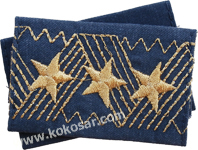
Čin general pukovnika prvi put je uspostavljen u Crvenoj armiji 07. 05. 1940. godine. Čin su obično davali komandantima vojnog okruga, fronta i armije, a također su bili i zamjenici ministra obrane, zamjenici načelnika Generalštaaba i slične visoke dužnosti. Odgovarajući pomorski čin je admiral, koji se također označava s tri zvjezdice. |
||
 |
||
|
The rank of colonel general was first established in the Red Army on 7 May 1940. The rank has usually been given to district, front and army commanders, and also to deputy ministers of defense, deputy heads of the General staff and so on. The corresponding naval rank is admiral, which is also denoted by three stars. |
||
|
LIEUTENANT GENERAL GENERAL PODPUKOVNIK |
||
|
Генерá́л-лейтенá́нт |
||
|
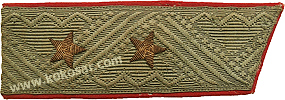
Čin general-potpukovnika dodjeljuje se nakon pet godina provedenih u činu general-majora u slučaju upražnjenih položaja. Komandira cijelom vrstom viših jedinica, zauzima visok položaj u ministarstvu ili upravlja vojnim okrugom. Čin potječe iz staroevropskog sistema i vuče podrijetlo iz srednjeg vijeka, gdje je naslov general-pukovnika nosio drugi komandant na bojnom polju, koji je inače bio podređen general-kapetanu. |
||
 |
 |
|
|
Rank of Lieutenant-General is given five years after the major-general in the presence of vacant positions. He commands a whole type of troops, occupies a high position in the ministry, or manages a military district. The rank originates from the Old European System. The rank traces its origins to the Middle Ages, where the title of lieutenant general was held by the second-in-command on the battlefield, who was normally subordinate to a captain general. |
||
|
MAJOR GENERAL GENERAL MAJOR |
||
|
Генерá́л-майо́р |
||
|
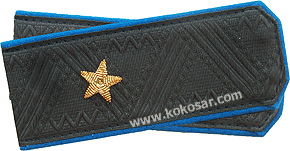
S godina godina iskustva u činu pukovnika možete postati general major, ali tek nakon završene obuke na Generalštabnoj Akademiji. S takvim činom, u pravilu, zauzima položaj komandanta divizije. To je ekvivalent britanskom brigadiru ili američkom brigadnom generalu. |
||
 |
||
|
Having a 5-year experience as a colonel, you can become a major general, but only after training at the Academy of the General Staff. With such a rank, as a rule, occupy the position of commander of the division. It is equivalent to a British Brigadier or an American brigadier general. |
||
|
SENIOR OFFICERS STARIJI OFICIRI |
||
|
Старшие офицеры |
||
|
U više oficire pripadaju činovi: major, potpukovnik i pukovnik. Raspon radnih mjesta namijenjenih višim oficirima, u usporedbi s mlađima je puno širi. Osim toga, ova kategorija oficira može zapovijedati ne samo jedinicama razine bataljona i puka, već i posebnim vojnim jedinicama. |
||
| The senior officers include the ranks: Major, Lieutenant Collonel and Collonel. The range of full-time posts, intended for senior officers, compared with younger ones. In addition, this category of officers can be commanded not only with units of the battalion and regiment level, but also by separate military units. | ||
|
COLONEL PUKOVNIK |
||
|
Полко́вник |
||
|
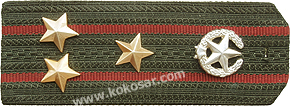
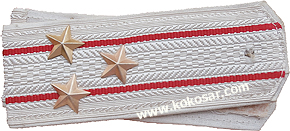
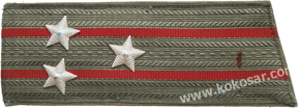
Pukovnik je komandant puka, načelnik je štaba divizije ili komandant više jedinice. Daje se 5 godina nakon što ste bili potpukovnik. U 17. vijeku čin pukovnika postao je položaj komandanta puka/regimente u jedinicama strijelaca/jedinica s vatrenim oružjem. Crvena armija ponovno uvdi čin pukovnika 1935., zajedno s nizom drugih bivših ruskih činova, a nastavio se koristiti sve do danas u mnogim zemljama bivšeg SSSR-a, uključujući Rusiju. |
||
 |
 |
 |
|
Colonel is the commander of the regiment, the chief of staff of the division or the commander of the unit. It is given 5 years after being the lieutenant colonel. In the 17th century, rank of colonel became the position of a regimental commander of the streltsy (стрельцы) shooters/firearm troops. The Red Army reintroduced the polkovnik rank in 1935, together with a number of other former Russian ranks, and it continued to be in used in many ex-USSR countries, including Russia. |
||
|
LIEUTENANT COLONEL PODPUKOVNIK |
||
|
Подполко́вник |
||
|
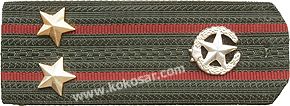
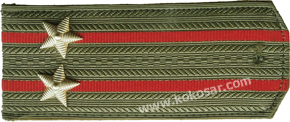
Potpukovnik može postati načelnik štaba, komandant jedinice ili njegov zamjenik. Major može postati potpukovnik za otprilike 4 godine. Ovaj čin odgovara potpukovniku u državama i vojsci engleskog govornog područja. Ako vojna osoba služi u gardijskoj jedinici, oznaka čina stavlja se ispred imenice gardista (Gardijski potpukovnik). Civilno – ili vojno osoblje s određenim definiranim stupnjem stručnosti ili znanja u medicinskim ili pravosudnim profesijama, vojnom činu dodaje imenicu "pravni" ili tekst "sanitetska služba". Daljnji dodatak uz oznaku vojnog čina može biti "penzionirani". |
||
 |
 |
|
|
Lieutenant Colonel can become chief of staff, commander of the unit or deputy. The major can become a lieutenant colonel in about 4 years. This rank corresponds to the lieutenant colonel in the English-speaking states and military. If military personnel serves in a guards formation to the rank designation will be placed in front the noun guards (Guards Lieutenant Colonel). Civil – or military personnel with a specific defined level of expertise or knowledge in medical or judicial professions, to the military rank will be added the noun "legal or the wording "medical service". Further adding to the military rank designation might be "retired" or "on retirement". |
||
|
MAJOR MAJOR |
||
|
Майо́р |
||
|
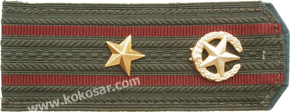
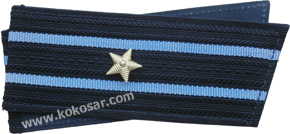
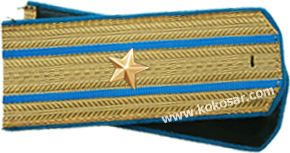
Major komandira bataljonom, ali može vršiti i druge dužnosti. Čin se dodjeljuje otprilike četiri godine nakon vršenja dužnosti kapetana. Čin se smatra početnim činom viših oficira.Etimološki, riječ potječe od latinske riječi major što znači "veći". |
||
 |
 |
 |
| ARMY | NAVY | PARATROOPERS |
| Kopnena vojska | Mornarica | Padobranci |
|
Major may command a battalion or hold other positions. Rank is given approximately four years after beeing in the rank of captain. It is considered the most junior of the senior officers ranks. Etymologically, the word stems from the Latin word major meaning "greater". |
||
|
JUNIOR OFFICERS NIŽI OFICIRI |
||
|
Младшие офицеры |
||
|
Pod mlađim oficirskim sastavom podrazumijeva se grupa zapovjednih činova vojske u sljedećim činovima: mlađi poručnik; poručnik; stariji poručnik i kapetan. Čak i osnovni oficirski čin pretpostavlja postojanje posebnog vojnog obrazovanja, koje odgovara razini visokog obrazovanja. Što se tiče dužnosti, mlađi oficirski obično komandiraju vodovima i postrojbama na nivou čete, a mogu također vršiti mnoge dužnosti i u višim strukturama. |
||
|
The junior officer composition is understood as a set of army command ranks in the following ranks: Junior lieutenant; Lieutenant; Senior lieutenant and Captain. Even the primary officer rank presupposes the presence of a special military education, corresponding to the level of higher education. In terms of posts, junior officers tend to command platoon and company units, and can also hold many of the posts in higher structures. |
||
|
CAPTAIN KAPETAN |
||
|
Kапитá́н |
||
|
Kapetan je najviši čin nižih oficira. Na naramenicama kapetana nalaze se četiri male zvjezdice. Kapetani, u pravilu, zapovijedaju četom - jedinicom od oko 100-150 ljudi. Oni snose punu odgovornost za upravljanje, obuku, logistiku i borbenu spremnost svoje čete. Osim toga, kapetani mogu vršiti dužnosti u štabu te sudjelovati u planiranju i provedbi složenijih operacija. |
||
|
The captain is the highest rank of junior officers. On the shoulder straps of the captain are four small stars. The captains, as a rule, command a company - a unit of about 100-150 people. They bear full responsibility for the management, training, logistics and combat readiness of their company. In addition, the captains can hold positions in the headquarters and be involved in the planning and conduct of more complex operations. |
||
|
SENIOR LIEUTENANT STARIJI PORUČNIK |
||
|
Стá́рший лейтенá́нт |
||
|
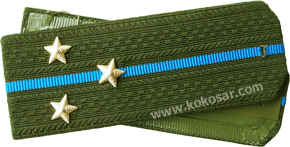
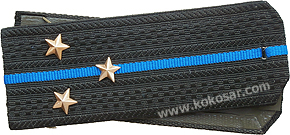
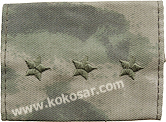
Stariji poručnik je oficir koji se već pokazao u službi i ima značajno iskustvo. Na epoletama starijeg poručnika su tri male zvijezde. Ova titula obično se dodjeljuje onima koji su voljni preuzeti odgovornost za komandiranje četom ili drugom sličnom jedinicom. Stariji poručnici često sudjeluju u izradi taktičkih planova i donošenju važnih odluka na bojnom polju. |
||
 |
 |
|
|
The senior lieutenant is an officer who has already managed to show himself in the service and has considerable experience. On the epaulettes of the senior lieutenant three small stars. This title is usually assigned to those who are willing to take responsibility for commanding a company or other similar unit. Senior lieutenants often participate in the development of tactical plans and making important decisions on the battlefield. |
||
|
LIEUTENANT PORUČNIK |
||
|
Лейтенá́нт |
||
|
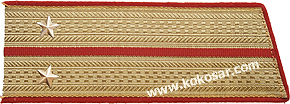
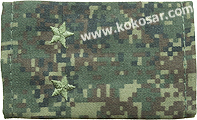
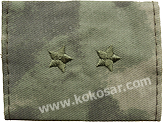
Poručnici već imaju određeno iskustvo u službi i zapovijedanju. Na njihovim epoletama nalaze se dvije male zvjezdice. Poručnici obično komandiraju vodovima, ali mogu obavljati i složenije zadatke, kao zamjenici komandira bataljona. Njihov rad povezan je s obukom osoblja, planiranjem operacija i održavanjem visoke razine borbene spremnosti jedinice. Završetkom vojne škole (akademije) automatski dobiva čin poručnika. Riječ poručnik potječe iz francuskog; lieu što znači "mjesto" kao u položaju i tenant što znači "držati" kao u "držati položaj"; stoga je "poručnik" mjesto za nadređenog, tokom njihove odsutnosti. |
||
 |
 |
|
|
The lieutenants already have some experience of service and command. On their epaulettes there are two small stars. Lieutenants usually command platoons, but can also perform more complex tasks, such as being deputy company commander. Their work is associated with training personnel, planning operations and maintaining a high level of combat readiness of the unit. A graduate of the military school (academy) automatically receives the rank of lieutenant. They become commanders of platoons, or deputy battalion commanders. The word lieutenant derives from French; the lieu meaning "place" as in a position; and tenant meaning "holding" as in "holding a position"; thus a "lieutenant" is a placeholder for a superior, during their absence. |
||
|
JUNIOR LIEUTENANT MLAĐI PORUČNIK |
||
|
Млá́дший лейтенá́нт |
||
|
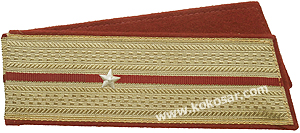
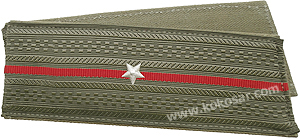
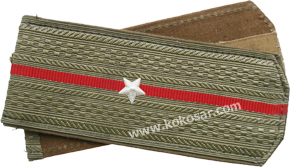
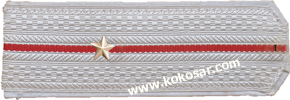
Mlađi poručnik je početni oficirski čin, koji se obično dodjeljuje vojniku koji je završio tečaj za mlađe oficire. Na epoletama mlađeg poručnika možete vidjeti jednu malu zvijezdu. U pravilu, mlađi poručnici mogu biti imenovani na mjesta komandira vodova, gdje uče voditi male grupe vojnika, odgovaraju za njihovu obuku, disciplinu i borbene zadatke. Zvanje mlađeg poručnika dobiva se nakon služenja u vojsci najmanje 3 godine uz stjecanje vojne specijalnosti ili obuke na vojnom odjelu na civilnom sveučilištu. |
||
 |
 |
 |
 |
||
|
The junior lieutenant is an initial officer rank, which is usually assigned to a soldier who has completed a training course for junior officers. On the epaulettes of the junior lieutenant you can see one small star. As a rule, junior lieutenants can be appointed to the posts of platoon commanders, where they learn to lead small groups of soldiers, responsible for their training, discipline and combat missions. Junior lieutenant title is received after serving in the army for at least 3 years with obtaining a military specialty, or training at the military department in a civil university. |
||
|
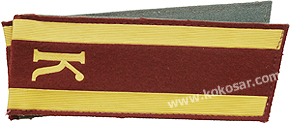
OFFICER CADET PITOMAC / KADET |
||
|
Курсá́нт |
||
 |
||
|
WARRANT OFFICERS OFICIRI SPECIJALISTI |
||
|
Прапорщики |
||
|
Naziv "zastavnik" (прапорщик) uveden je 1972. Od 1981. dodan je naziv "stariji zastavnik" (старший прапорщик). Oni predstavljaju posebnu kategoriju između vojnika/podoficira s jedne strane i oficira s druge strane. Od 2013. uspostavljena mjesta zastavnika pripadaju isključivo komandiru ili specijaliziranom tehničkom osoblju, za razliku od uglavnom "skladišnih" i pozadinskih pozicija karakterističnih ranije u Sovjetskoj vojsci. |
||
| The title of "warrant officer" (прапорщик) was introduced in 1972. Since 1981, the title of "senior warrant officer " (старший прапорщик) has been added. They represent a separate category between the conscription and the contract on the one hand and the officer on the other. Since 2013, established positions for ensigns belong exclusively to commander or specialized technical, in contrast to mainly "warehouse" and economic, characteristic earlier since the Soviet Army. | ||
|
SENIOR WARRANT OFFICER STARIJI OFICIR SPECIJALIST |
||
|
Ста́рший прá́порщик |
||
|
Ta se radna mjesta uglavnom dijele na komandna (komandir opslužnog voda, komandir borbene grupe, borbenog vozila i borbenog mjesta) i tehnička (četni tehničar, voditelj radio stanice, električar, bolničar, voditelj servisne radionice, voditelj tehničke jedinice i dr.). Od 01. 12. 2008. to su podoficirska zvanja. Radna mjesta praporščika zahtijevaju posebno obrazovanje, ali ne na razini koja se zahtijeva od oficira. |
||
 |
 |
|
|
These positions are generally subdivided into command (service platoon commander, commander of a combat group, combat vehicle and combat post) and technical (company technician, head of a radio station, electrician, paramedic, head of a repair shop, head of a technical unit, etc.). From December 1, 2008, these were considered NCO positions. The posts of praporshchiks require special education, but not at the level required of the commissioned officers. |
||
|
WARRANT OFFICER OFICIR SPECIJALIST |
||
|
Прáпорщик |
||
|
Škole za oficire specijaliste (zastavnike) Ruskih oružanih snaga provode programe obuke za strukovno vojno obrazovanje. Trajanje studija za osobu koja je odslužila vojni rok je od 5 do 10 mjeseci, a za osobu “s ulice”, koja nema vojnog iskustva – 2 godine i 10 mjeseci. Nakon školovanja sklapa se ugovor na 5 godina. Diplomanti ovih škola dobivaju vojni čin oficira specijaliste (zastavnika). |
||
 |
||
|
Warrant officer schools of the Russian Armed Forces conduct warrant officer training program for vocational military education. The duration of studies for a person who has passed the military service is from 5 to 10 months, and a person “from the street”, who does not have army experience – 2 years and 10 months. After training, the warrant officer concludes a contract for 5 years. Graduates of these schools are granted the military rank of praporshchik. |
||
|
SERGEANTS NAREDNICI |
||
|
Сержá́нти |
||
|
Narednički činovi pripadaju kategoriji "mlađeg komandnog osoblja" (младшего командного состава). Ova kategorija u ruskoj vojsci uključuje, prema usponu, sljedeće činove: mlađi narednik; narednik; stariji vodnik i starješina. Narednički činovi mogu se dodijeliti vojnicima za dugogodišnju službu, ali u praksi se to najčešće radi nakon uspješnog završetka specijaliziranih tečajeva obuke. Vojnik u činu narednika u pravilu je na čelu primarne karike vojnog sastava – grane ili je zamjenik komadira voda. |
||
|
Sergent ranks belong to the category of "junior command staff" (младшего командного состава). This category in the Russian army includes, by ascending, the following ranks: Junior sergeant; Sergeant; Senior sergeant and Petty Officer. Sergeant ranks can be assigned to the privates for long service, but in practice this is most often done after successful completion of specialized training courses. As a rule, a soldier in the sergeant rank heads the primary link of the military structure - the branch, or is the deputy commander of the platoon. |
||
|
SERGEANT MAJOR VIŠI NAREDNIK |
||
|
Старшинá́ |
||
|
Viši narednik je besprijekorni stariji narednik nakon 6-12 mjeseci službe na odgovornom položaju može postati vodeći narednik u jedinici. Narednik može voditi četu (u nedostatku oficira), a također biti i glavni među mlađim komandnim kadrom, odnosno nad svim narednicima. Ako nije komandir čete postavlja se na odgovorna radna mjesta koja se odnose na organizaciju jedinice, obuku i sl. |
||
 |
||
|
Sergeant major is impeccable senior sergeant after 6-12 months of service in a responsible position can become a foreman. Sergeant major can lead the company (in the absence of officers), and also be the main one among the junior command staff, that is, over all sergeants. If he is not a company commander, he is appointed to responsible positions related to the organization, training, etc. |
||
|
SENIOR SERGEANT STARIJI NAREDNIK |
||
|
Ста́рший сержáнт |
||
|
Čin starijeg narednika se dodjeljuje nakon godinu dana službe provedene u činu narednika, naravno uz dobre službene ocjene. S ovim činom osoba može postati zamjenik komandira čete ili samostalno voditi vod. Stariji narednik je oznaka za drugi najviši podoficirski čin u Kopnenoj vojsci, Zračno-desantnim trupama i Ratnom zrakoplovstvu Ruske Federacije. Čin je uveden u Crvenoj armiji 1940. godine. |
||
 |
||
|
The Senior Sergeant title is given after a year of service in the rank of sergeant, of course, subject to good service. A senior sergeant can become an assistant to the company commander, or independently drive a platoon. Senior sergeant is the designation to the second highest rank in the non-commissioned officer's career group in the Army, Airborne troops, and Air Force of the Russian Federation. |
||
|
SERGEANT NAREDNIK |
||
|
Сержá́нт |
||
|
Na čin narednika mogu računati mlađi narednici koji su se u dvije odslužene godine službe posebno iskazali. Po položaju, narednik je komandir odreda ili posade, stoga kandidat mora imati vještine vođenja, kao i uspostavljanja kontakta s redovima i korištenja svojeg autoriteta. |
||
 |
||
|
Junior sergeants who have demonstrated themselves most responsibly, having served 2 years, can count on sergeant’s rank. By position, the sergeant is the commander of a squad or crew, so the applicant must have leadership skills, as well as find contact with the rank and file and use their authority. |
||
|
JUNIOR SERGEANT MLAĐI NAREDNIK |
||
|
Млá́дший сержá́нт |
||
|
Mlađi narednik naziv je za najniži čin u podoficirskoj karijeri u Kopnenoj vojsci, Avio-desantnim trupama i Avijaciji Ruske Federacije. Čin je ekvivalent Starješina druge klase (Старшина́ второй статьи́) u mornarici. Čin je u Crvenoj armiji uveden 1940. godine. Čin mlađeg narednika može se dobiti nakon godinu dana službe. S ovim zvanjem možete postati komandir odjeljenja |
||
 |
 |
|
|
Junior sergeant is the designation to the lowest rank in the non-commissioned officer's career group in the Army, Airborne troops, and Air Force of the Russian Federation. The rank is equivalent to Starshina 2nd class in Navy. Rank of junior sergeant one can get after a year of service. With this title, you can become the commander of the department. The rank was introduced in the Red Army in 1940. |
||
|
ENLISTED VOJNICI |
||
|
Солдаты |
||
|
Najniži vojni čin u vojsci Ruske Federacije je redov (рядовой). Službeno je osnovan 1946., ranije su se takvi vojnici nazivali “borci” (бойцами) ili “vojnici Crvene armije” (Красноармейцами). Sljedeći stupanj vojničkog čina smatra se kaplarom, a u nedostatku viših komandira, on ima pravo biti nadređen običnim vojnicima. |
||
|
The lowest military rank in the army of the Russian Federation is private (рядовой). Officially, it was established in 1946, earlier such soldiers were called “fighters” (бойцами) or “red Army soldiers” (Красноармейцами). The next stage of the soldier's rank is considered to be a corporal, and in the absence of higher commanders, he has the right to control ordinary soldiers. |
||
|
PRIVATE 1st CLASS VOJNIK 1. KLASE |
||
|
Ефре́йтор́ |
||
|
Nakon 5 mjeseci službe za naročite uspjehe i marljivu službu možete dobiti zvanje desetara. Po potrebi se može postati profesionalni (ugovorni) komandir odjeljenja. Riječ Gefreiter posuđena je u ruski jezik kao yefreytor (ефрейтор) i koristi se u nekoliko ruskih i postsovjetskih vojski. |
||
 |
||
|
After 5 months of service for special success and diligent service, you can get the title of corporal. If there is a need one can become a contracting commanding of the department. The word Gefreiter been lent into the Russian language as yefreytor (ефрейтор) and is in use in several Russian and post-Soviet militaries. |
||
|
PRIVATE VOJNIK |
||
|
Рядово́й |
||
|
Svi pridošlice u vojsku, bilo regruti (ročnici) ili ugovorni vojnici, ako nisu prošli nikakvu obuku, prvo će imati naziv vojnik/mornar (cолдат/матрос). Njihov zadatak je izvršavati naredbe starješina po činu, pridržavati se uredbi, pridržavati se discipline. |
||
 |
||
| SAILOR | ||
| Матрос | ||
| Mornar | ||
|
All newcomers to the army, whether conscripts or contract soldiers, if they did not undergo any training, will first be private. Their task is to carry out the orders of the elders by the rank, obey the charter, to observe discipline. |
||
|
MORE ABOUT RANKS VIŠE O ČINOVIMA |
||
|
Činovi ruske vojske mogu ukazivati na približnu razinu službenog položaja, kao i pripadnost vrsti oružanih snaga i rodu trupa. Istodobno, rusku vojsku karakterizira tradicija sovjetskih vremena, kada se nadređenost u vojnoj strukturi prvenstveno određuje položajem, a ne vojnim činom. |
||
|
U sistemu vojnih činova koji je uspostavljen u Rusiji, samo nekoliko njih ima imena koja su nastala isključivo na temelju ruskog jezika: redov (рядовой), zastavnik (старшина), pukovnik i potpukovnik (полковник / подполковник). Većina imena vojnih činova su posuđenice iz drugih jezika, koje su se s vremenom udomaćile. |
||
|
Ranks of the Russian army may indicate an approximate level of official position, as well as belonging to the type of Armed Forces and the branch of the troops. At the same time, the army of Russia is characterized by the tradition of Soviet times, when the seniority in the military structure is determined primarily by the position, and not the military rank. |
||
|
In the system of military ranks established in Russia, only a few of them have names that occurred exclusively on the basis of the Russian language: private/ordinary (рядовой), warrant officer (старшина), colonel (полковник (подполковник)). Most military ranks are borrowings from other languages, which over time firmly established them in speech. |
||
ON TOP
 NA VRH
 |
||