| BRITISH ARMY INSIGNIAS page 2 |
| OZNAKE BRITANSKE KOPNENE VOJSKE strana 2 |


|
Struktura britanske Kopnene vojske je slična onoj Kraljevske mornarice i Kraljevskih zračnih snaga. Jedinstvena komanda Kopnene vojske se nalazi u Andoveru i poznata je kao Štab vojske ("Army Headquarters"). Štab je odgovoran za osiguranje operativnih snaga potrebnih Stalnoj zajedničkoj komandi (Permanent Joint Headquarters). Komandna struktura je hijerarhijski organizirana sa divizijama i brigadama koje „kontroliraju“. Veće jedinice su regimente ili jedinice jačine bataljona ojačane sa manjim jedinicama (četama ili vodovima). Sve jedinice Kopnene vojske se dijele na redovne (profesionalne), rezervne (stalna ili povremena) ili kombinaciju pod-jedinica svih tipova. |
||
|
The structure of the British Army is broadly similar to that of the Royal navy and Royal Air Force, with a single command based at Andover known as "Army Headquarters". This organisation is responsible for providing forces at operational readiness for employment by the Permanent Joint Headquarters. The command structure is hierarchical with divisions and brigades controlling groupings of units from an administrative perspective. Major Units are regiment or battalion-sized with minor units being either company sized sub-units or platoons. All units within the service are either Regular (full-time) or Army reserve (full-time or casual), or a combination with sub-units of each type. |
||
| SPECIAL AIR SERVICE SPECIJALNE ZRAČNE SNAGE | ||
|
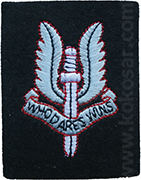
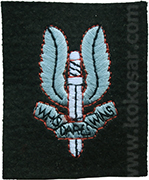
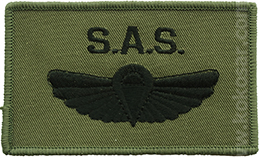
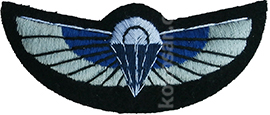
Pripadnici SAS-a nose beretke boje pjeska sa znakom na kojem se nalazi mač Excalibur sa vatrenim vjencem iznad mota jedinice: „Tko se usuđuje pobjeđuje“. Za mač često neispravno govore krilati bodež. Mač je kreirao narednik Bob Tait, koji je „pobjedio“ na internom natječaju za znak novoformirane jedinice 1941. Krila su ideja poručnika „Jock“ Lewisa, a autor mota jedinice „Who Dares Wins“ je njen osnivač David Stirling. Padobranska krila, posebna za SAS je dizajnirao poručnik „Jock“ Lewis, a kao inspiracija su mu poslužila stilizirana sveta krila ibisa iz egipatske mitologije koja je vidio u dekoru hotela Shepard u Kairu. Padobranska krila se nose na desnom ramenu. |
||
 |
 |
 |
| (Alistar thank's for this one) | ||
 |
||
| dress uniform parachute wing | ||
|
Normal barracks headdress is the sand-coloured beret, its cap badge is a downward pointing Excalibur, wreathed in flames (often incorrectly referred to as a winged dagger) worked into the cloth of a Crusader shield with the motto Who Dares Wins. The „winged dagger“ is a creation of sergeant Bob Tait, who won a competition for the choice of badge for the new unit in North Africa 1941. The dagger is meant to be the sword Excalibur, the simbol of truth and justice. The idea with the wing came from lieutenant „Jock“ Lewis. The badge also carries the SAS motto „Who dares wind“ invented by the founder David Stiling in 1941. SAS pattern parachute wings, designed by Lieutenant Jock Lewis and based on the stylised sacred Ibis wings of Isis of Egyptian iconography depicted in the décor of Shepard's Hotel in Cairo, are worn on the right shoulder. |
||
|
PARATROOPERS PADOBRANCI |
||
|
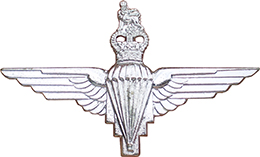
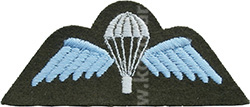
Padobranska regimenta, čije pripadnike nazivaju „Paras“ je zračno-desantna pješadija Britanske kopnene vojske. Jedan od njenih bataljona je uvijek pod komandom Direct Special Forces iz sastava Grupe za podršku specijalnih snaga. To je jedina pješadijska regimenta koja nije bila spojena sa nekom drugom jedinicom u brojnim „prekrajanjima“ i reformama vršenim nakon Drugog svjetskog rata. |
||
 |
 |
 |
| BERET BADGE | PARACHUTE WINGS | FOR NON AIRBORNE REGIMENTS |
| Oznaka za beretke | Padobranska krila | Oznaka za završeni tečaj |
|
The Parachute Regiment, colloquially known as the Paras, is the Airborne Infantry of the British Army. One battalion is permanently under the command of the Direct Special Forces in the Special Forces Support Group. It is the only line infantry regiment that has not been amalgamated with another unit since the end of the Second World War. Members of the Parachute Regiment are often colloquially known to the rest of the army and the British public as the "Paras". |
||
|
OTHER UNITS OSTALE JEDINICE |
||
 |
 |
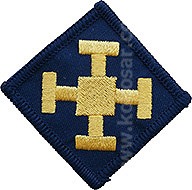 |
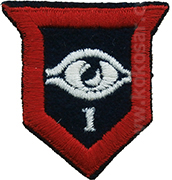
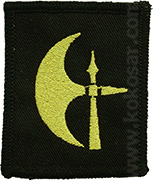
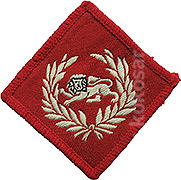
| 1st GUARD ARMORED BRIGADE | 2nd LOGISTICS BRIGADE | MIDLANDS REGIMENT |
| 1 oklopna gardijska brigada | 2. logistička brigada | Midlandska regimenta |
 |
 |
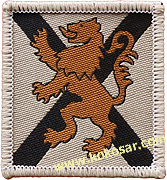 |
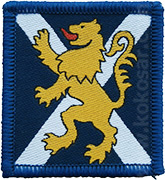
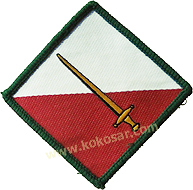
| ? | ROYAL REGIMENT OF SCOTLAND | ROYAL REGIMENT OF SCOTLAND |
| Škotska kraljevska regimenta | Škotska kraljevska regimenta | |
 |
 |
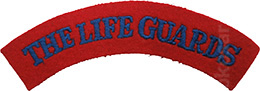 |
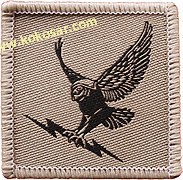
| 42nd INFANTRY BRIGADE | THE LIFE GUARDS shoulder tab | |
| 42. pješadijska brigada | ||
|
2nd INFANTRY BRIGADE 2. PJEŠADIJSKA BRIGADA |
||
|
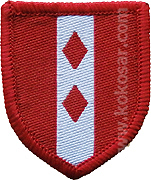
Druga (jugo-istočna) brigada je regionalna formacija KoV-a na jugo-istoku Engleske. Iz svojeg štaba, smještenog u Shorncliffe-u, brigada komandira i vrši administrativne radnje za vojnike smještene u Kent-u, Surrey-u, Sussex-u kao i u Sultanatu Brunei. Glavni im je zadatak podrška komandantu kopneneih snaga za operacije bilo gdje u svijetu. Uz to imaju i jedinstvenu ulogu, odgovornost za garnizon stacioniran u Brunei-u, koji u svojem sastavu ima i dva bataljona Gurka (Royal Gurkha Rifles). |
||
 |
||
|
2nd (South East) Brigade is the Regional formation of the Army in the South East of England. With its headquarters in Shorncliffe, the Brigade commands and administers soldiers throughout Kent, Surrey, Sussex as well as Brunei. The Brigade's key responsibility is to the Commander Land Forces in supporting the Army's operations wherever they may be in the world. Additionally, it has the unique responsibility for the provision of the Brunei Garrison which has one of the Army's two Royal Gurkha Rifles (RGR) Battalions at its core. |
||
|
MERCIAN REGIMENT REGIMENTA MERCIAN |
||
|
Regimenta Mercian (Mercian Regiment) formirana je 2007. od tri regimente: Regimente Cheshire, Regimente Worcestershire i Sherwood Foresters te Regimente Staffordshire. To su postali njegov 1., 2. i 3. bataljon. Tri regimente Teritorijalne vojske također su spojene u novi 4. Bataljon ove regimente, koja djeluje u ulozi lake pješadije. |
||
|
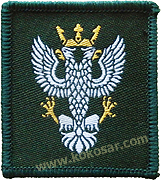
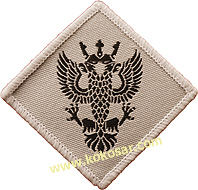
Značka Mercijanske regimente zanimljiv je slučaj. Prikazuje mercijanskog dvoglavog orla sa saksonskom krunom. Mercia je bila anglosaksonsko kraljevstvo koje je pokrivalo engleski Midlands od 6. do 10. stoljeća. Ovaj arhaični amblem odabran je jer odražava puni opseg raznolikog područja regrutiranja jedinice na način na koji novije simboličke veze ne mogu. |
||
 |
 |
 |
| MERCIAN REGIMENT, DRESS UNIFORM | MERCIAN REGIMENT DESERT PATCH | 1st BATTALION TRF |
| Mercian regimenta, službena uniforma | Mercian regimenta, pustinjska oznaka | 1. bataljon, taktička oznaka prepoznavanja |
| Worcestershire and Sherwood Foresters | ||
|
The Mercian Regiment was formed in 2007 from The Cheshire Regiment, The Worcestershire and Sherwood Foresters Regiment and The Staffordshire Regiment. These became its 1st, 2nd and 3rd battalions respectively. Three Territorial Army regiments were also merged to form the new regiment’s 4th Battalion, operating in a light infantry role. |
||
|
The badge of the Mercian regiment is an interesting case. It depicts the Mercian double-headed eagle with a Saxon crown. Mercia was an Anglo-Saxon kingdom that covered the English Midlands from the 6th to 10th centuries. This archaic emblem was chosen as it reflects the full extent of the unit’s diverse recruiting area in a way that more recent symbolic connections cannot. |
||
|
10th SIGNAL REGIMENT 10. REGIMENTA VEZE |
||
|
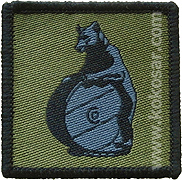
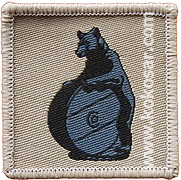
10. regimenta veze je jedinstvena regimenta Kraljevskih vezista specijalizirana za osiguranje informacija i komunikacijskih usluga (ICS), osiguranja protoka informacija te elektronske protumjere (zaštita) u podršci operacijama koje traju kao i u izvršavanju standardnih zadataka veze. 10. regimenta veze je složena jedinica koja se sastoji od štaba, četiri redovna eskadrona te jednog rezervnog. Svaki od ovih eskadrona je raspoređen u drugom djelu zemlje. |
||
 |
 |
|
|
10th Signal Regiment is a unique Royal Signals Regiment that specialises in providing Information and Communication Services (ICS), Information Assurance (IA) and Electronic Counter Measures (Force Protection) in support of on-going and contingency operations, and other standing tasks. 10 Signal Regiment is a hybrid Regiment that comprises of a Regimental Headquarters, four Regular Squadrons and one Reserve Squadron. Each Squadron is geographically separated from one another. |
||
ON TOP
 NA VRH
 |
||